Property management automation: database-first lead tracker
Property management automation works best with a database-first lead tracker and Make automations for intake, stage updates, dedupe, and daily reporting. Get the blueprint.
The fastest path to property management automation: move your Google Sheets lead tracker into a real database (Airtable or Notion), then layer in Make automations for intake, stage updates, and daily/weekly reporting.
Photo by Grant Lemons on Unsplash
The problem: why Google Sheets breaks as you scale
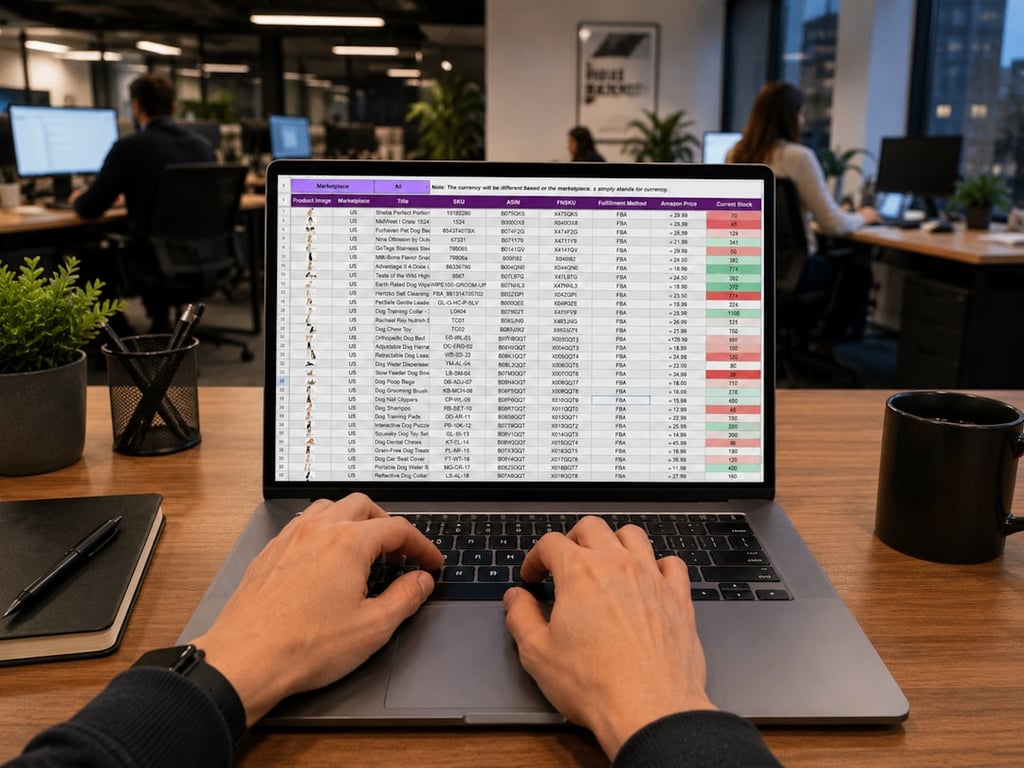
Teams often start with a spreadsheet because it’s fast. But once the tracker becomes operational—rows get re-ordered, moved, filtered, and deleted—automations that depend on row position or “the last row” start to fail.
If you’re scaling from ~100 properties toward 500, it’s worth moving sooner to a database-first system that was designed for structured records, multi-user workflows, and reliable automations.
A practical blueprint for property management automation
Below is a real-world blueprint based on a common property-management workflow: applications come in from a source system, move through a few stages, and then roll up into reporting for owners/operators.
Step 1: Define the lead/application pipeline stages (and what should be automated)
Example stages (often represented as colors in a spreadsheet):
Touchpoint 1 / Application sent
Application completed
Vetting
Approved
Rejected
A useful rule of thumb:
Automate the objective, system-generated stages (e.g., “application sent”)
Keep judgment-based stages manual (e.g., vetting/approval) unless you have very clear rules
Step 2: Replace the spreadsheet with a database table
Create a single “Applications” table with fields like:
Applicant name + contact info
Property / unit
Stage / status
Timestamps (created, last updated)
Source system record ID (e.g., Rently application ID)
Notes + internal owner
This works well in Airtable or Notion. The key is that each application becomes a durable record—reordering or filtering views won’t break automations.
Step 3: Pull new applications from the source system (e.g., Rently) via API
Once the database exists, you can use Make to:
Poll or listen for new applications (depending on what the source supports)
Create a new application record in the database
Set the initial stage (e.g., “Touchpoint 1”)
If your source system has limited “webhook” triggers, start with scheduled checks (every 5–15 minutes) and dedupe by the source record ID.
Step 4: Add daily + weekly reporting that combines multiple systems
A common requirement is combining:
BuilderTrend daily logs (progress + issues)
Active spend tracking (often another sheet or finance export)
Highlight large spend changes or threshold events (e.g., $10k triggers)
Provide a rollup by property, PM, or project manager
Step 5: Create a real-time dashboard for operators
Your dashboard can be a view that:
Filters to “active” items
Groups by stage
Highlights overdue or flagged issues
Gives a quick “at a glance” snapshot so the team doesn’t have to wait for emails
Implementation checklist (copy/paste)
List your stages and decide which are automated vs manual
Create the “Applications” database/table and required fields
Add a unique “Source ID” field for dedupe
Build Make scenario: source system → database create/update
Build Make scenario: daily 6–7pm snapshot email
Build Make scenario: weekly Friday summary
Create a live dashboard view and test it with real records
Run a 1–2 week parallel test (old sheet + new system) before deprecating Sheets
Common pitfalls (and how to avoid them)
Row-based spreadsheet assumptions: solve by using record IDs + database tables.
Over-automating judgment steps: keep vetting/approval manual until rules are proven.
No dedupe strategy: always store the source record ID and enforce uniqueness.
Reporting that isn’t actionable: include flags, thresholds, and clear next steps.
Get help building this
Building a property management database, Make automations, and a daily reporting system usually breaks at the Make scenario — getting dedupe right the first time is the hard part. If you've hit that wall, book a ZoomFlow session — one of our consultants can build it with you live and ship the working version in the same call.
Build an automated crawler that finds broken links and missing images, logs each issue to Notion, and routes fixes to an owner, so you skip the manual audits.